The AI Giant That Wants to Replace Your iPhone
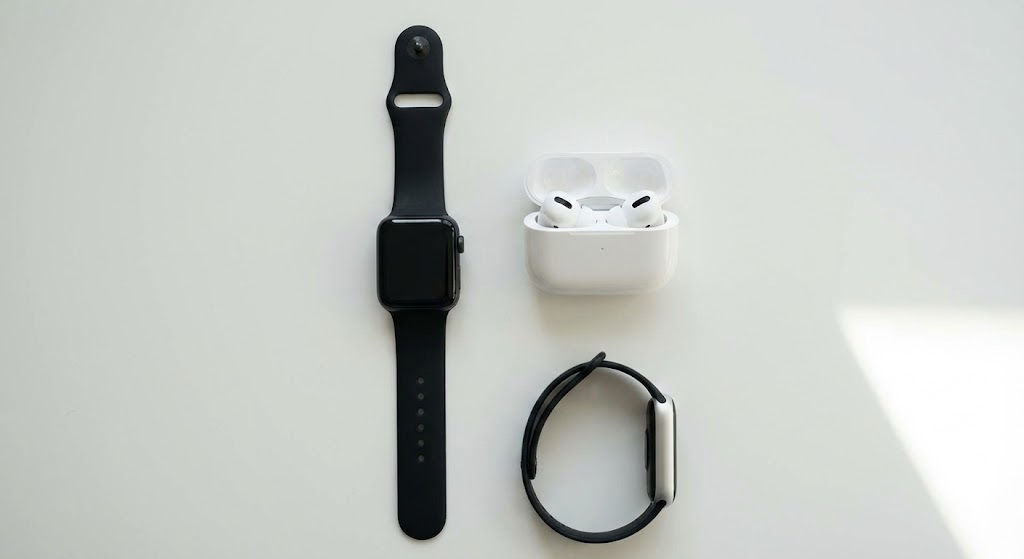
Apple briefly reclaimed the title of the world's most valuable company in July 2025, hitting a market cap near $4.88 trillion — a 58% stock surge over the past year while Nvidia managed only 17%. But a quieter story is unfolding behind those numbers: OpenAI, the company burning through an estimated $65 billion in cash, is now designing hardware to bypass Apple's gatekeeper position entirely. With Jony Ive — the designer behind the iPhone's iconic look — now inside OpenAI, the question is no longer if an iPhone killer arrives, but what shape it takes.
📅 Information date: 2025-07-17

Why OpenAI Is Targeting Apple's Hardware Throne
The Gatekeeper Problem
Apple controls roughly 2.5 billion active devices. Every AI update, every ChatGPT download, and every app transaction passes through the App Store — where Apple takes a cut. According to industry analysis, roughly three-quarters of Apple's App Store revenue from AI apps reportedly originates from ChatGPT alone. From OpenAI's perspective, the company builds the models, absorbs the losses, and Apple collects the toll.
The $6.5 Billion Designer Bet
OpenAI acquired Jony Ive's design firm LoveFrom for a reported $6.5 billion. Ive, who spent decades shaping Apple's industrial design language alongside Steve Jobs, now leads OpenAI's hardware design efforts. More than 400 former Apple employees have reportedly moved to OpenAI, including a former Vision Pro team leader — a detail that has become central to Apple's legal claims.
For readers tracking how Apple's own platform strategy evolves in parallel, this iPadOS 26 multitasking gestures guide breaks down the software side of the same ecosystem war.

What OpenAI's Hardware Actually Looks Like
From Smart Speaker to Screenless AI
OpenAI's first hardware reveal was not a phone but a smart speaker — a screenless AI device positioned as a new kind of home computer. Reports describe it as designed to feel less like a command-response object and more like a living presence. The strategic logic is straightforward: voice-first interaction removes the touchscreen paradigm that Steve Jobs established in 2007.
The Keyboard Already Sold Out
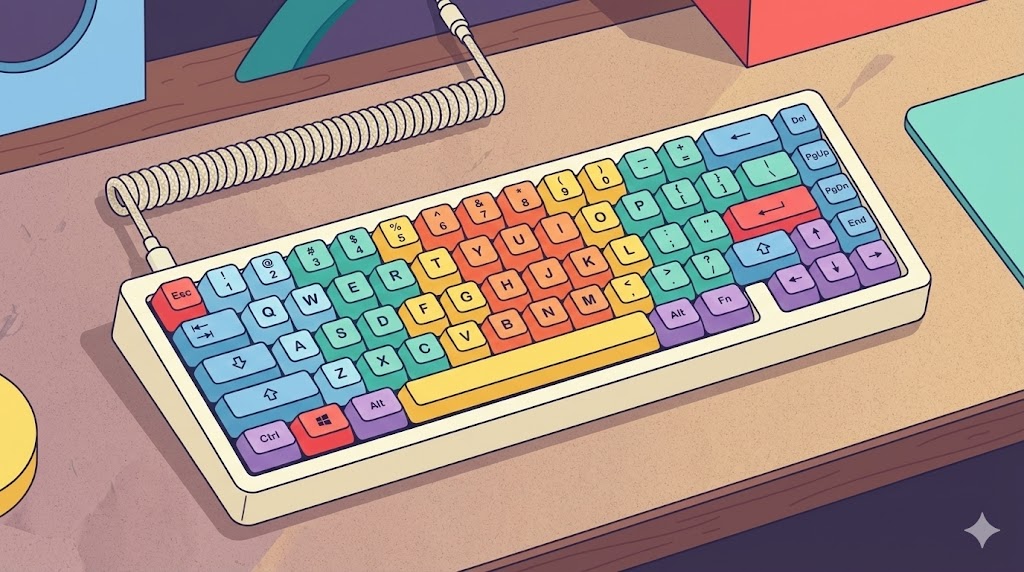
OpenAI also launched a co-branded mechanical keyboard with a coding hardware manufacturer. The keyboard uses color-coded lighting to indicate an AI agent's status — thinking, completed, macro registered. Despite being a rebranded existing model, the OpenAI-logo version sold out.
| Product | Core Spec / Feature | Est. Price Tier | Community Rating |
|---|---|---|---|
| OpenAI Smart Speaker | Screenless, voice-first AI agent | Premium | N/A (unreleased) |
| OpenAI Coding Keyboard | RGB agent-status indicators, mechanical switches | Mid-range | Sold out |
| Apple iPhone (baseline) | Touchscreen, App Store ecosystem | Flagship | ~4.7 / 5 |
For a look at how gadget unboxing experiences shape buyer perception — a factor Apple has weaponized for years — this retro MP3 player unboxing comparison offers useful context on packaging psychology.
The Apple Lawsuit
Apple has filed suit, alleging that former employees carried trade secrets to OpenAI and that OpenAI's hardware business was "built on a fundamentally rotten foundation" of misappropriated secrets. Apple is reportedly seeking a court order requiring OpenAI to redesign future products so they use none of Apple's technology. OpenAI denies any connection to third-party trade secrets while confirming its hardware ambitions.
The Bottom Line
OpenAI's hardware push is less about beating the iPhone outright and more about escaping Apple's toll booth. Even a partial success — an AI speaker or wearable that keeps users inside OpenAI's ecosystem — changes the economics. Sam Altman has publicly stated he does not fear Apple but holds the highest respect for it. Whether that respect survives the lawsuit is another matter. Watch the smart speaker launch and the court filings; those two signals will define the next 12 months of AI hardware.
📅 Information date: 2025-07-17