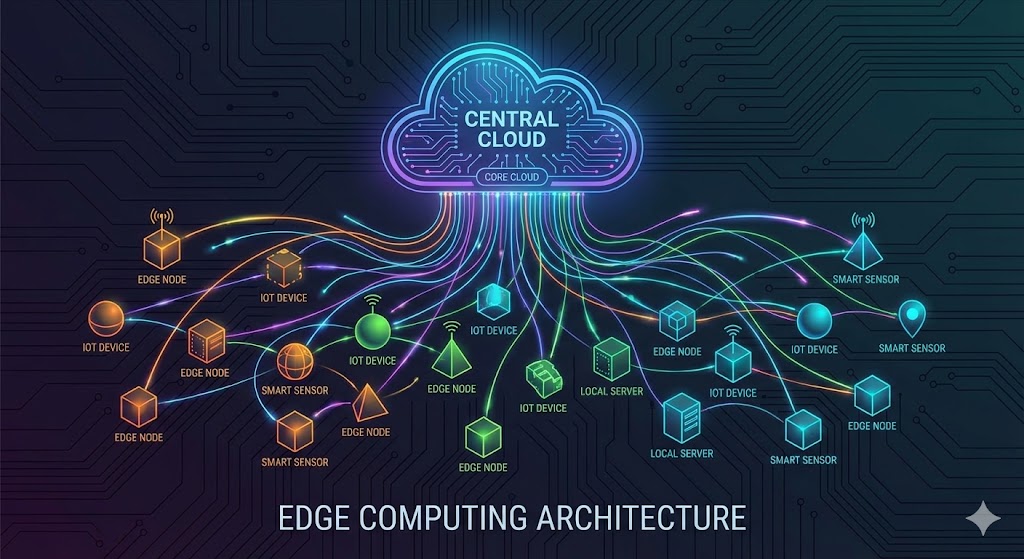
The demand for skilled AI professionals is surging, but finding a structured educational path can be overwhelming. A new government-funded initiative aims to bridge this gap by offering a comprehensive curriculum designed to take individuals from novice to job-ready AI specialist.
This program stands out due to its 'all-care' approach, covering a full spectrum of topics from CS fundamentals to advanced model operations. The curriculum is meticulously structured to ensure that even those without a technical background can build a solid foundation and progress to complex concepts.

From CS Basics to Core AI Concepts
The program is divided into two main tracks: a basic course for beginners and an advanced course for those with prior knowledge. The basic course begins with foundational topics such as operating systems, networks, and Python programming, ensuring all participants have the necessary prerequisites.
Core Curriculum and Practical Application
After the basics, the curriculum advances to data structures, databases, and statistical analysis. It then introduces core AI concepts, starting with machine learning mathematics and progressing to deep learning fundamentals. A key component of this phase is the practical application through projects, such as predicting housing prices or classifying customer churn.
Advanced Specialization Tracks
At this stage, students choose a specialization: AI Analyst or AI Service Developer. The analyst track focuses on data processing, computer vision, and natural language processing (NLP), while the developer track covers web development, backend API construction, and cloud deployment. Both tracks include advanced modules on Hugging Face, Transformers, and RAG.
Mastering Production-Level LLM Technologies
A significant portion of the curriculum is dedicated to production-ready skills. Students learn to fine-tune open-source language models for specific domains, a highly sought-after skill in the industry.
| Track Component | Key Skills Acquired | Tools & Technologies |
|---|---|---|
| LLM Fine-Tuning | Domain-specific model training, performance optimization | PyTorch, Hugging Face |
| RAG & MCP Server | Retrieval-Augmented Generation, external tool integration | FastAPI, LangChain |
| LLMOps | Model deployment, monitoring, quality evaluation | AWS, Docker, MLflow |
| AI Agents | Autonomous task execution, decision-making | LangChain, AutoGPT |
The curriculum also introduces advanced topics like building MCP servers to allow language models to interact with external tools safely, ensuring they can perform real-world tasks. For those interested in the broader AI ecosystem, understanding these systems is crucial. Our guide on Claude Bot: The Open Source Autonomous AI Agent provides further context on how these agents are shaping the industry.
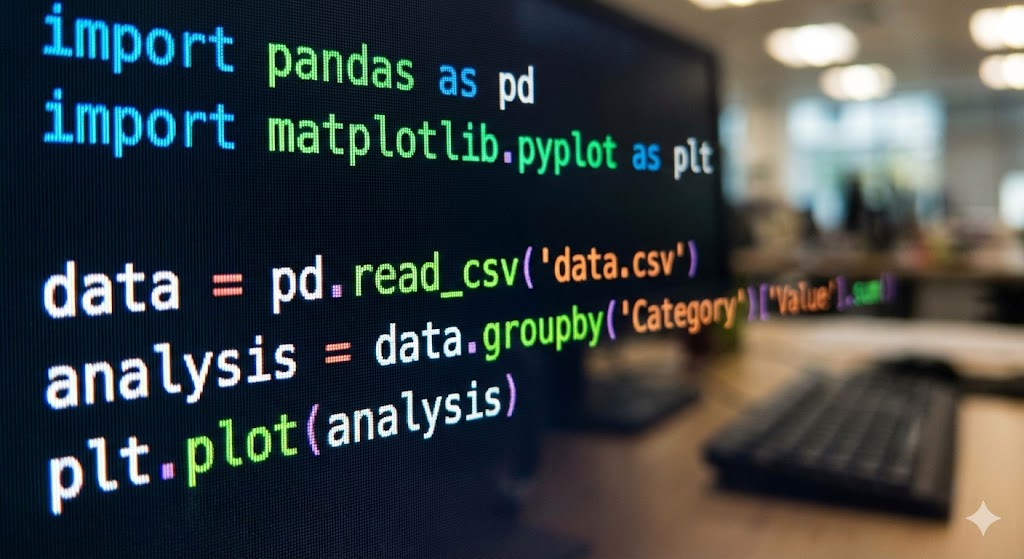
A Structured Path to an AI Career
This program distinguishes itself through its comprehensive structure and practical focus. The inclusion of a capstone project with real-world data from startups provides an invaluable opportunity to build a professional portfolio.
Key Program Details
- Program Period: May 26, 2026 (approx. 6 months)
- Cost: Free (government-funded)
- Target: Non-majors, career changers, and IT professionals
- Support: Laptop, meal, and transportation allowances provided
This structured approach, from fundamentals to specialized tracks, offers a clear and effective pathway for anyone serious about pursuing a career in AI. To further enhance your technical skills, you might also find our iPadOS 26 Multitasking Mastery guide useful for improving productivity.
📅 정보 기준일: 2025-05-15