The Future of Health Monitoring Is Already on Your Wrist
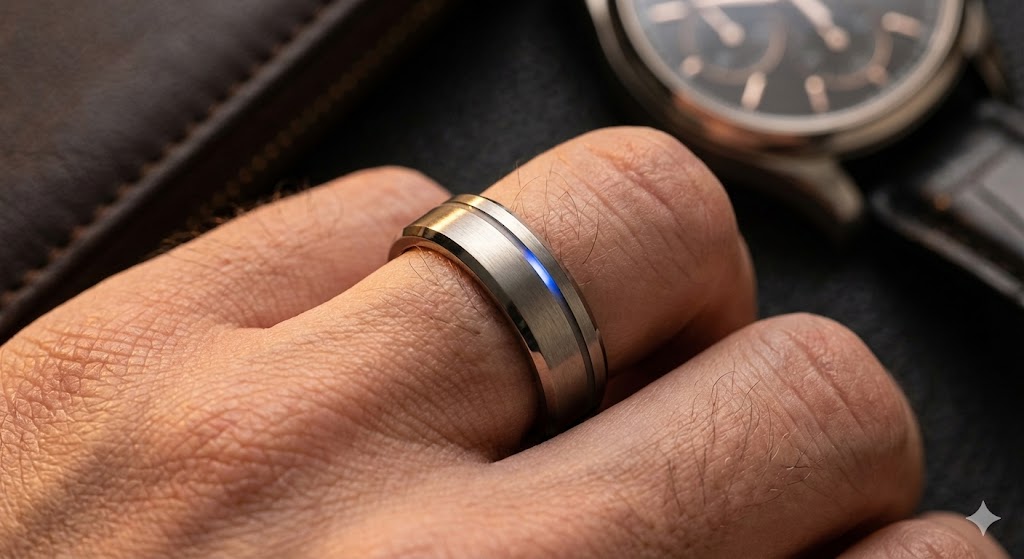
Traditional healthcare systems rely on episodic measurements taken during infrequent clinical visits, often based on population averages rather than individual data. According to research presented at TED, a paradigm shift is underway through health wearables and continuous glucose monitors (CGMs) that enable 24/7 physiological tracking.
These devices measure resting heart rate, heart rate variability, skin temperature, blood oxygen, and sleep patterns continuously. Studies demonstrate that smartwatch data can detect respiratory viral infections with 80% accuracy and a median of 3 days before symptoms emerge — transforming reactive sick care into proactive health management.
📅 Information date: 2025-01-15
How Wearable Sensors Detect Illness Early
The Science Behind Pre-Symptomatic Detection
Wearable devices establish a personal baseline for metrics like resting heart rate and blood oxygen saturation. When a viral infection takes hold, the immune response triggers measurable physiological changes — heart rate increases and blood oxygen drops — often 48 to 72 hours before conscious symptoms appear. A real-time alert system built during the COVID-19 pandemic demonstrated this capability at scale.
Beyond Infections: Cardiovascular and Metabolic Insights
Stanford researchers have shown that smartwatch sensors can detect atrial fibrillation, a heart condition that responds well to early treatment. Machine learning models applied to wearable data can estimate red blood cell count, hydration status, blood glucose, and hemoglobin A1C — all from skin conductance and optical sensors. These are not futuristic claims; peer-reviewed studies confirm these capabilities.
For those interested in how AI is reshaping diagnostics, this AI image generation and tech guide explores the broader machine learning revolution powering these advances.
📅 Information date: 2025-01-15

Continuous Glucose Monitors and Personalized Nutrition
The Diabetes Epidemic in Numbers
According to CDC data, 11.6% of US adults are diabetic, and 20% remain undiagnosed. A further 38% are pre-diabetic, with 80% unaware of their condition. Continuous glucose monitors measure interstitial glucose every 5 minutes, revealing patterns that single blood draws cannot capture.
Not All Carbs Are Equal: The Subtype Discovery
Research with 55 participants eating seven different carbohydrates (beans, berries, grapes, bread, pasta, white rice) in identical amounts revealed dramatic individual variation. For most people, white rice caused worse glucose spikes than ice cream. However, response patterns differed by metabolic subtype:
| Subtype | Spike Trigger | Mitigation Strategy | Prevalence |
|---|---|---|---|
| Muscle Insulin Resistant | Potatoes, pasta, rice | Minimal effect from food ordering | ~25% |
| Beta-Cell Defect | Potatoes, rice | Fat/fiber pre-load ineffective | ~30% |
| Incretin Defect | Variable | GLP-targeted approaches | ~15% |
| Insulin Sensitive | Minimal spikes | Fat and fiber pre-loading works | ~30% |
A glucose tolerance test costing $50 at a drugstore can now identify your subtype, replacing tests that previously cost thousands. For the latest developments in AI-driven health analytics, see this GPT-5.5 and AI news roundup.
📅 Information date: 2025-01-15
The Road Ahead: Remote Monitoring for Everyone
The convergence of inexpensive wearable sensors and microsampling technology — capable of measuring 7,000 molecules from a single drop of blood — points toward a future where continuous health monitoring is accessible globally. Research on alpha-synuclein patterns suggests that mitigating specific physiological spikes could delay neurodegenerative conditions like dementia and Parkinson's disease.
Key takeaways:
- Wearables detect illness days before symptoms, enabling early intervention
- CGM data reveals personal glucose subtypes that determine optimal dietary strategies
- Remote monitoring can reach underserved populations at minimal cost
The technology exists today. The question is whether healthcare systems will adopt it fast enough to shift from sick care to true health care.
📅 Information date: 2025-01-15