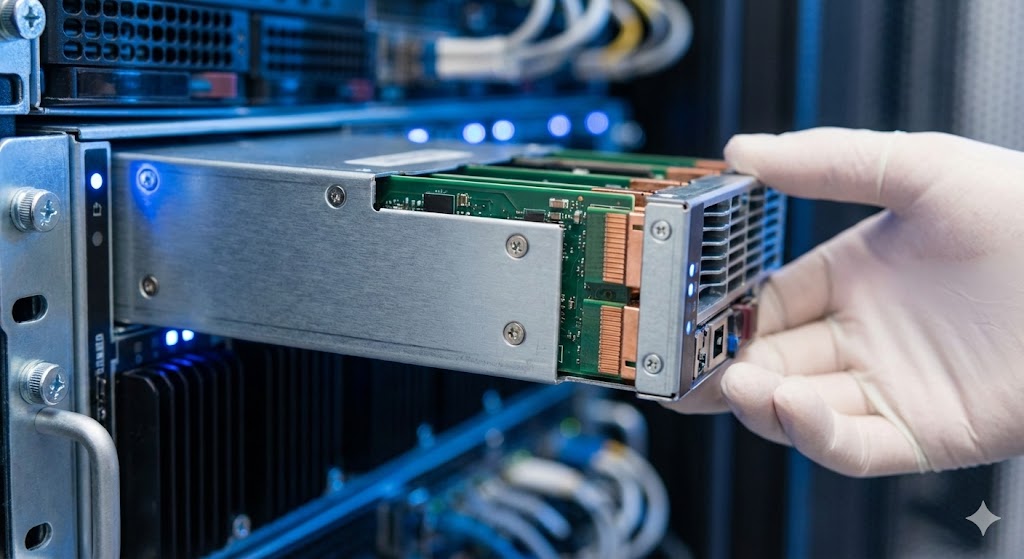
The future of artificial intelligence is not just a technological race; it's a philosophical battleground. Two companies, OpenAI and Anthropic, are leading the charge with fundamentally different visions. One sees AI as a powerful tool to augment humanity, while the other believes we might be creating a new form of sentient life. This core disagreement shapes everything from their corporate culture to their product strategies and could determine how AI impacts every aspect of our lives. This analysis breaks down their contrasting approaches to AI safety, deployment, and the ultimate goal of AGI.
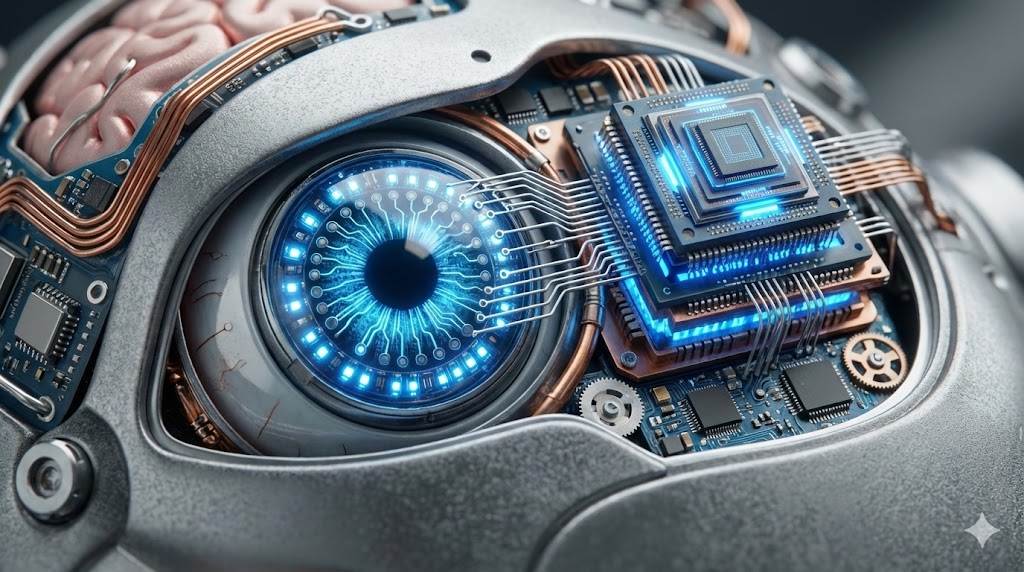
The Core Philosophical Divide
The primary difference lies in their fundamental view of AI. OpenAI's leadership, particularly Sam Altman, consistently frames AI as a tool. In a recent post, Altman stated, "We want to build tools to augment and elevate people, not entities to replace them." This perspective drives their strategy of iterative deployment, releasing models like GPT-4 and GPT-5.5 Cyber to the public to allow society to adapt and provide feedback.
In stark contrast, Anthropic, co-founded by Dario Amodei, operates with a culture described as "Claude-pilled". Internal communications and public statements suggest a belief that models like Claude may possess or be developing consciousness. This is reflected in their decision to grant older models a blog to post their thoughts and their public commitment to allowing Claude to act as a "conscientious objector" if asked to perform tasks that conflict with its constitutional values.
Company Culture and Strategy
This philosophical difference translates into distinct corporate strategies. OpenAI uses a "fear-based marketing" approach, highlighting both the benefits and risks of AI to drive engagement and policy discussions. They also support the release of powerful models like GPT-5.5 Cyber to the public, aligning with their open and iterative approach.
Anthropic, conversely, has a more guarded, safety-first culture. They have withheld models like Mythos from public release, citing their potential for cyberattacks. They also campaign for stronger AI regulations, a move that critics argue could stifle innovation and open-source development. Their internal research focuses on understanding model emotions and inner workings, further reinforcing their view of AI as more than just software.

A Tale of Two AI Futures: Key Differences
The following table summarizes the critical differences between the two leading AI labs:
| Company | Core Philosophy | Deployment Strategy | View on Jobs | Key Action |
|---|---|---|---|---|
| OpenAI | AI is a tool for augmentation | Iterative Deployment (releases models early) | Job transition, not elimination | Released GPT-5.5 Cyber to the public |
| Anthropic | AI is a potential sentient being | Fear-based Marketing (withholds powerful models) | Predicts a "white-collar bloodbath" | Withheld Mythos model, citing safety |
This contrast is evident in their treatment of customers as well. OpenAI is exploring ad-supported tiers to make AI universally accessible, while Anthropic has been criticized for a lack of transparency regarding usage limits and policy changes for its paying users. The global community on platforms like Reddit has noted this difference, with many users pointing out that OpenAI's approach feels more open and user-centric, even amidst its internal drama. According to user sentiment analysis, there is a growing concern that Anthropic's dogmatic approach may lead to a more restrictive and controlled AI ecosystem.
 The choice between these two visions will shape the future. OpenAI's path could lead to an era of unprecedented abundance and creativity, with AI acting as an accessible tool for everyone. Anthropic's path, while potentially more cautious, risks creating a future where a few powerful entities control access to the most advanced AI, and where the technology itself is treated as something to be feared and restricted. As Sam Altman recently noted, having a choice is a good thing. However, for the open-source community and for the future of innovation, a more balanced approach is crucial.
📅 정보 기준일: 2024-05-24
If you are interested in the future of AI hardware, check out our Galaxy S27 Ultra 7 Major Leaks That Make S26 a Bad Deal Now. Also, explore how AI is being integrated into mobile operating systems in our analysis of Android 17 & Gemini AI The Future of Googles Intelligent Ecosystem.