The AI Paradigm Shift Nobody Saw Coming
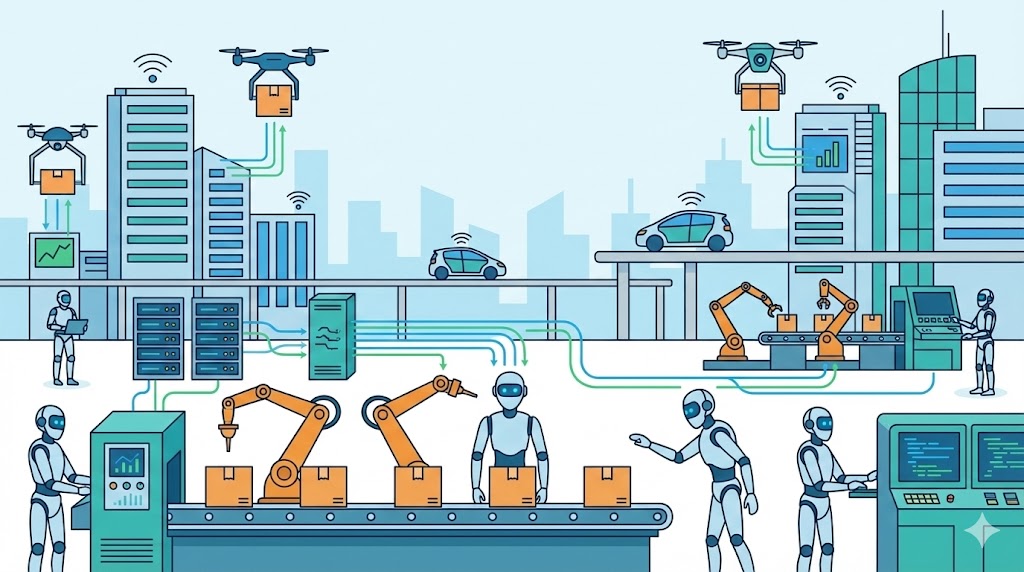
The semiconductor industry is experiencing a fundamental transformation that most analysts misread as a simple cycle. Since Q3 2024, general-purpose DRAM prices began surging — not because of HBM allocation crowding out supply, and not because of a traditional 3-year cycle rebound. The real driver is the shift from AI training to AI inference.
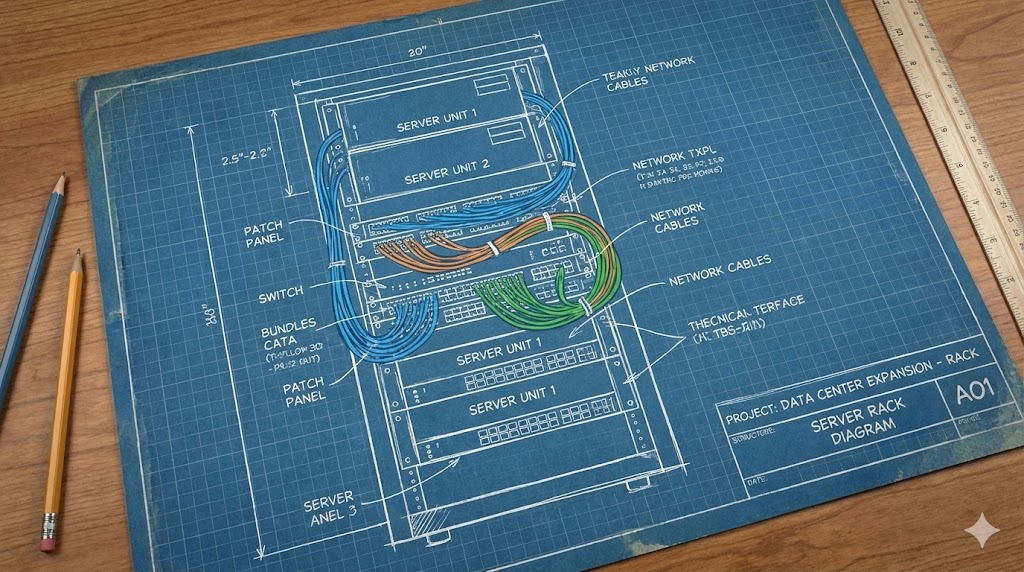
This distinction matters enormously. Training relies on GPU accelerators, while inference — the process of running AI models to answer queries and perform tasks — depends heavily on CPU sequential processing. According to Intel's DCAI (Data Center & AI) division earnings, data center CPU revenue has been climbing steadily since Q3 2024, a signal the market almost entirely ignored.
Why CPUs Are Suddenly the Bottleneck
The Inference Workload Explosion
Agentic AI systems like autonomous assistants require massive sequential computation. Unlike parallel GPU workloads, these tasks — booking flights, managing calendars, accessing local files — are inherently sequential. CPUs excel at this, and demand has surged accordingly.
The Memory Architecture Behind It
Every CPU inference task requires KV cache — a background knowledge store. As AI agents handle more complex tasks, KV cache requirements balloon. NVIDIA's ICMS (Inference Context Memory Storage) platform, announced at CES 2025, addresses this with NAND flash-based storage.
📅 Information as of: 2025-06
For a deeper look at how AI features are reshaping creative workflows, see this Adobe Max 2025 AI features breakdown.

Market Data & Comparison
ICMS vs iPhone: A Scale Comparison
According to industry calculations, if NVIDIA's Vera Rubin GPU with ICMS sells well, the NAND flash market could grow to 1.7x the size of the entire iPhone market in annual units. With iPhones selling approximately 230-240 million units annually, this represents a massive new demand vector for NAND flash.
| Segment | 2024 Status | 2025-2026 Outlook | Key Driver |
|---|---|---|---|
| HBM (GPU) | High growth | Linear growth continues | Training + inference |
| General DRAM | Recovery from Q3 2024 | Strong uptrend | CPU inference demand |
| NAND Flash | Supply constrained | 1.7x iPhone scale potential | ICMS, KV cache storage |
| CPU (Server) | Quiet recovery | Accelerating | Agentic AI workloads |
Supply Side Dynamics
Since 2022, memory manufacturers drastically cut capex. Utilization rates dropped across the board. This supply discipline, combined with surging inference demand, creates a favorable pricing environment through 2025-2027.
For those evaluating hardware purchases, this ultra-slim magnetic power bank comparison offers a useful reference on how spec data translates to real-world performance.

Conclusion: A Structural Shift, Not a Cycle
The AI inference era represents demand creation, not cyclical recovery. As agentic AI and physical AI expand, CPU and memory demand will compound. Samsung Electronics and SK Hynix — the world's top memory producers — are positioned at the epicenter.
Key caution: Interest rate movements remain a risk factor. If rates stay elevated or rise, semiconductor stocks could face pressure. However, the fundamental demand structure remains intact through 2027 and potentially to 2030, based on long-term agreements (LTAs) being signed across AI infrastructure supply chains.
📅 Information as of: 2025-06