For years, foldable smartphones have been a niche product, plagued by compromises in thickness, camera quality, battery life, and the infamous screen crease. Users had to choose between the novelty of a folding screen and the reliability of a traditional slab phone. The Oppo Find N6, however, claims to have engineered away these issues. This analysis examines whether the Find N6 truly represents the 'peak foldable', a device that finally makes the technology viable for the mainstream market without requiring sacrifice.
A Slab Phone That Folds: Dimensions and Build Quality
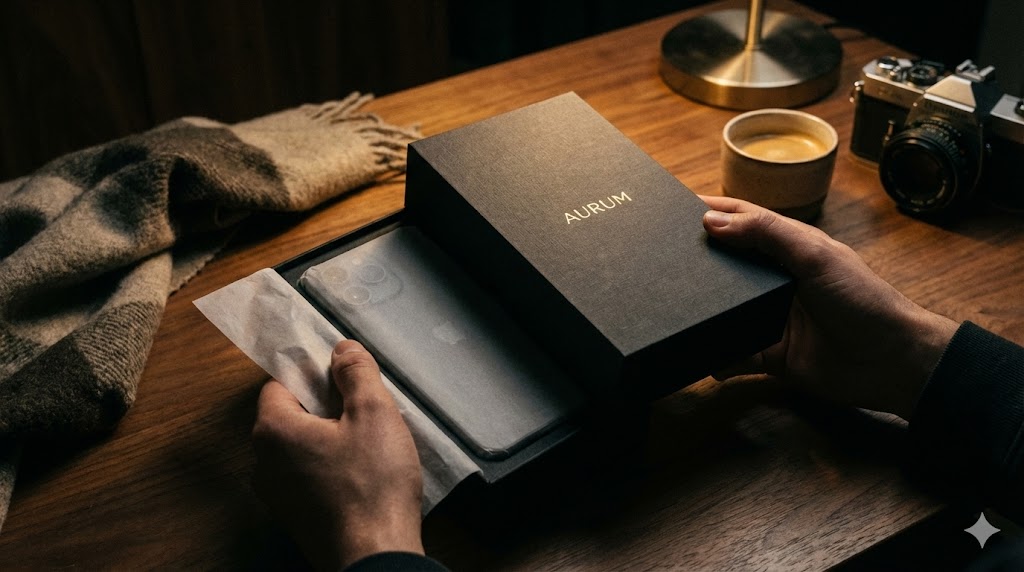
The first major compromise of early foldables was their poor one-handed usability due to thickness and awkward proportions. The Oppo Find N6 directly addresses this. At just under 9mm thin and weighing approximately 230 grams, its dimensions are virtually identical to the iPhone 17 Pro Max. This means when closed, it feels and operates like a standard 6.6-inch smartphone. The outer display is perfectly usable for photography, video consumption, and typing thanks to its standard aspect ratio.
Flagship Performance in a Split Body
Historically, foldables lagged in performance due to space constraints for cooling and batteries. The Find N6 utilizes a Snapdragon 8 Elite Gen 5 chipset (a binned version with one less core to manage thermals) and a new dedicated S1 chip for enhanced network performance. The device features a 6,000mAh silicon-carbon battery, split in half around the hinge, supporting 80W wired and 50W wireless charging. According to Oppo's specifications, this battery capacity surpasses many traditional slab phones.

The 'No-Feel Crease' and Camera System
The most significant innovation is the 'No-Feel Crease'. Oppo uses a laser-scanning process on each titanium hinge to map surface variations down to 0.2mm. A liquid polymer is then 3D-printed to fill the micro-gaps, and hardened with UV light. This reduces surface-level variations to 0.05mm, less than half the thickness of a human hair. The result is a display that, in practical use, shows no perceptible crease, a first for the category. Oppo rates this mechanism for 600,000 folds without significant crease development.
The camera system addresses the physical constraints of a split body. It uses the ISOCELL HP5 sensor (200MP, 1/1.56-inch, OIS), also found in the S25 Edge, which is designed for shallow Z-axis depth. This is paired with a 50MP ultrawide and a 50MP 3x telephoto lens.
| Feature | Oppo Find N6 | Previous Generation Foldables |
|---|---|---|
| Thickness | < 9mm | 12-15mm |
| Battery | 6,000 mAh (Silicon-Carbon) | 4,000 - 4,500 mAh |
| Crease Depth | 0.05mm (No-Feel) | 0.2mm+ (Visible) |
| Main Camera | 200MP ISOCELL HP5 | Variable, often lower-tier |
| Durability | IP59 | IPX8 (Water only) |

Conclusion: The Mainstream Moment
The Oppo Find N6 has systematically addressed the key compromises that defined the foldable category: thickness, weight, battery, camera, and the crease. It is a complete flagship device that happens to fold in half. This maturity in the technology sets the stage for Apple's anticipated entry with a folding iPhone. The rumors suggest a smaller, passport-style form factor for the iPhone Fold, opening to a widescreen display similar to an iPad mini. The key question will be how Apple integrates its ecosystem advantages. The age of the compromise-ridden foldable is over.
📅 정보 기준일: 2024-05-24